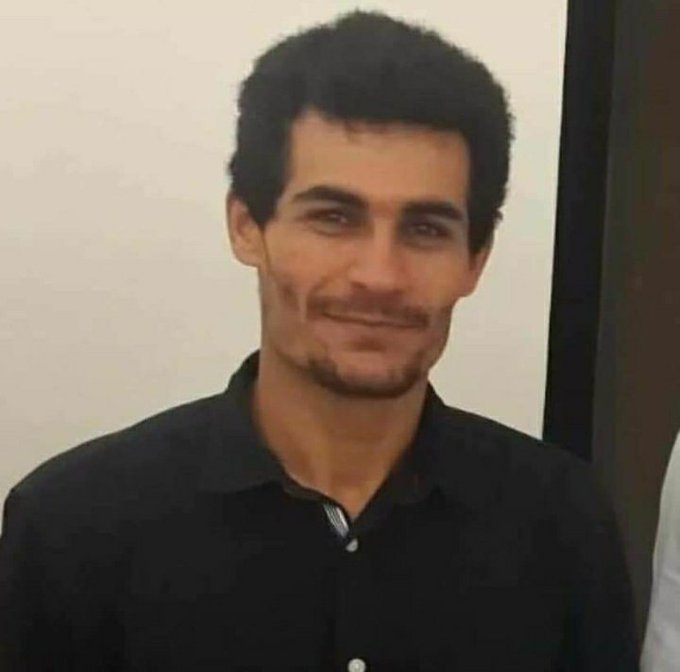
Jasem Heydari
-
-
-
-
-
-
-
<coverage-outsourcing id='49578'>
After the spread of coronavirus in prison and riots in several prisons across the country, due to the terrible sanitary conditions of the prison and concerns about their lives, prisoners in Shiban Prison started to protest. Karim Borvayeh was among the political prisoners involved in the protests. A few years later, he told IPA that the prisoners started their protest at noon on March 31, 2020, by chanting against the prison authorities. During the pandemic, sick prisoners did not have access to sufficient medical treatment. The efforts of families to get them medical furlough were unanswered. According to Mr. Borvayeh, a few hours after the beginning of the altercations, the prison guard lost the capacity to suppress the prisoners and lost control, therefore special forces were deployed to prison. Agents in civilian clothing (mostly IRGC and Basij members) entered the prison at 4:30 while shooting tear gas and after that, the shooting at prisoners with a focus on ward 5 intensified. The suppression forces covered the floor of the hall of ward 5 with water and dish soap and broken glass to hurt and hinder the prisoners. After prisoners would lose their balance, the agents would inflict heavy blows to their heads with batonsMr. Borvayeh says he remembers the interior supervisor of the prison Hassan Zolfaghari was standing behind the suppression forces yelling:
> Kill them (prisoners) all. They're all ISIS.
Mr. Borvayeh also mentioned prison staff who had a direct role in the suppression of prisoners:
> I saw with my own eyes that Mr. Sakhravi, Abdolhossein Gholamnejad, and Mohammad Ali Anari, all prison security, were positioned on the roof of ward 8 and infirmary and were shooting live rounds at prisoners. Many prisoners were injured during the shootings and four were killed. At the order of Shiban Prison warden Ahmad Reza Azadeh, the suppression forces evacuated ward 5 by forming a "death tunnel
, where two groups of suppression forces form a corridor and force the prisoners to pass between them as they start beating the prisoners. Mohammad Ali Anarichief of security of the Prisons Organization of Khuzestan Province, Mr. Khosri, Shiban Prison chief of security, and Mr. Varmarziyar, one of the prison authorities were directly involved in the torture of prisoners. According to Mr. Borvayeh, these individuals tied up the prisoners' hands and legs and continued to torture them in various methods until midnight. In addition, in order to break some prisoners' spirits, they would force some of the respected elder prisoners to strip to their underwear and then they would beat them with tasers and batons.
</coverage-outsourcing>
-
-
<coverage-outsourcing id='34028'>
<reference source='https://www.radiofarda.com/a/30538901.html'>
According to Radio Farda, 80 Political or prisoners' of conscience have been transferred to an unknown place after the riots in Sheyban Prison. According to the report, some of them have been "tortured or beaten."
</reference>
</coverage-outsourcing>
-
<coverage-outsourcing id='34027'>
<reference source='https://www.radiozamaneh.com/501676'>
There is no information available from Hossein Silavi, Ali Khosraji, and Nasser Khafaji, who were transferred to an unknown place on March 31 along with seven other prisoners named Jaber Alboshuke, Mokhtar Alboshuke, Ali Majdam, Moein Khanfari, Jamil Heydari, Jassem Heydari, and Abdol Razzaq Abaidavi. Seven other detainees have been transferred to solitary confinement in Sheyban Prison and they are not allowed to contact their families.
</reference>
</coverage-outsourcing>
-
-
-
-
-
-
-
<coverage-outsourcing id='34803'>
<reference source='https://prisonatlas.com/%D8%B9%D9%84%DB%8C-%D9%85%D8%B7%DB%8C%D8%B1%DB%8C%D8%8C-%D8%B2%D9%86%D8%AF%D8%A7%D9%86%DB%8C-%D8%B9%D8%B1%D8%A8%D8%8C-%D8%B5%D8%A8%D8%AD-%D8%A7%D9%85%D8%B1%D9%88%D8%B2-%D8%A7%D8%B9%D8%AF%D8%A7%D9%85/'>
According to IPA research, Ali Motiri, Hosein Seilavi, Ali Khosraji, Ali Majdam and Jassem Heydari -- five Arab prisoners held in solitary cells of the Sheyban Prison who had been previously sentenced to death -- staged a hunger strike by sewing their lips together, to protest their prolonged solitary confinement and their impending execution.
</reference>
</coverage-outsourcing>
-
<coverage-outsourcing id='34808'>
<reference source='https://prisonatlas.com/%d8%a7%d8%b9%d8%aa%d8%b5%d8%a7%d8%a8-%d8%ba%d8%b0%d8%a7%db%8c-%d9%85%d8%ad%da%a9%d9%88%d9%85%d8%a7%d9%86-%d8%a8%d9%87-%d8%a7%d8%b9%d8%af%d8%a7%d9%85-%d8%b4%db%8c%d8%a8%d8%a7%d9%86/'>
Ali Motiri, Hossein Seilavi, Ali Khosraji, Ali Majdam and Jassem Heydari are five Arab prisoners in Ahvaz’s Sheyban Prison who are being held in inhumane conditions. According to an IPA source familiar with Sheyban’s solitary cells, these cells lack heating and cooling facilities, which causes prisoners to suffer from hypothermia in the winter and hyperthermia in the summer. Sheyban Prison’s solitary cells are around 12 square meters. Sometimes, several prisoners are held simultaneously in one of these cells, without adequate space or hygiene. For example, the toilet is located inside the cell separated only by a short, one meter high partition. These unhygienic conditions threaten the health of prisoners and subjects them to the permanent smell of wastewater.
</reference>
</coverage-outsourcing>
-
-
-
-
-