Ayoub Asadi
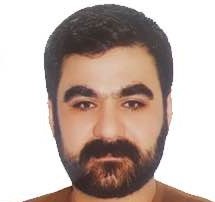
-
<coverage-outsourcing id='16010'>
According to an informed source for Iran Prison Atlas, Mr. Assadi was not involved in Komala operations and as never left Iranian soil. He was never a member in this party and was transferring team members in his capacity as a driver
</coverage-outsourcing>
-
<coverage-outsourcing id='2019'>
Was arrested after skirmishes between IRGC forces and some members of Komala in the vicinity of the village of Borir in the municipality of Sarv Abad. IRGC pronounced him and some other individuals members of Komala party. All those arrested were seized on two different days and taken to the IRGC detention center in Sanandaj, where they were tortured. They remained, for a period of about one month in solitary confinement in Sanandaj detention center. There, they were severely tortured. Beside the usual physical torture, from beatings to whipping, that the IRGC prisons mete out to prisoners, this group was also denied medical attention and were denied sleep which exacerbated their sad condition
</coverage-outsourcing>
-
<coverage-outsourcing id='16034'>
The Komala Party published a statement on their website denying the membership of Ghadamkhir and the others arrested. The party denied any involvement or relations between the party and Abdollah Mohtadi, the Secretary General of Komala and these individuals
</coverage-outsourcing>
-
<coverage-outsourcing id='16019'>
Was transferred to the Intelligence Ministry detention center in Sanandaj. He was severely tortured at this prison, as well, and spent months in solitary confinement
</coverage-outsourcing>
-
<coverage-outsourcing id='16023'>
Was taken to Marivan prison in the second half of 2011
</coverage-outsourcing>
-
<coverage-outsourcing id='16025'>
According to Atlas, he was transferred around February or March of 2012, to Sanandaj prison
</coverage-outsourcing>
-
<coverage-outsourcing id='16009'>
Atlas reports that Judge Babaei of The Revolutionary Court of Sanandaj, condemned, Changiz Khadamkheyri, Mohammad Hossein Rezaei, Fakhroddin Faraji and Abu Asadi to the crime of “sedition by collaboration with a Kurdish Party” to, 40, 30, 30, and 20 years, respectively, incarceration in exile. According to their verdict they were denied the right to communicate with other prisoners and were isolated. Based on witness reporting to Atlas, they were tortured for months in the prisons of Intelligence and IRGC in Sanandaj, as well as being kept in solitary confinement. They had no contact with their families, were not allowed to go outside, and they didn’t receive medical attention or received it late. Judge Babaei, in a short 15 minutes, ignoring the repeated disregard for basic legal and fair judicial principles, which the physical signs of torture morosely highlight, sentenced them, collectively, to 120 years of incarceration in exile
</coverage-outsourcing>
-
<coverage-outsourcing id='16030'>
An informed source told Atlas, “those arrested in this case, who were tried several months after the execution of Ehsan Fatahian, were potentially given longer sentences and even at times executed, as part of a plan to create an atmosphere of fear and paranoia to prevent them from asking for appeal hearings”
</coverage-outsourcing>
-
-
<coverage-outsourcing id='6774'>
He began a hunger strike in protest of the lack of medical attention in the prison, the prison's refusal to grant him medical leave, and being sentenced to 20 years of "unfair" incarceration
</coverage-outsourcing>
-
<coverage-outsourcing id='4768'>
It was reported that due to the distance between him and his family, he has been deprived of visitation for the last two years. Repeated requests for transfer to the Kurdistan Province have been unsuccessful
</coverage-outsourcing>
-
<coverage-outsourcing id='6841'>
It was reported that he continues to remain in a hunger strike
</coverage-outsourcing>
-
<coverage-outsourcing id='6891'>
According to the Kurdistan Human Rights Network the defendant ended his hunger strike following concessions from prison officials
</coverage-outsourcing>
-
<coverage-outsourcing id='9329'>
According to Maf News he was transferred to medical centers outside of the prison. Based on the opthamologist diagnosis he suffers from Pterygium Conjunctiva in his eye and needs to be operated in the next six month. He has to wear glasses and use eye drops during this time. Maf News reports that for his herniated disk the prison authorities claim that there is no medical help in Kashmar and he needs to be transferred to Evin for medical intervention
</coverage-outsourcing>
-
<coverage-outsourcing id='7537'>
Maf News reported that two weeks into his hunger strike in Kashmir Prison, the defendant is in dire physical condition and prison officials refuse to allow him to be transferred to a hospital
</coverage-outsourcing>
-
<coverage-outsourcing id='9328'>
Maf News reported that even though he has paid for an extra month of eye glass and eye drop costs to the authorities of the infirmary they have yet to comply with this medical request
</coverage-outsourcing>
-
<coverage-outsourcing id='16014'>
<reference source='https://ipa.united4iran.org/media/file_evidence/%D8%B4%D9%87%D8%A7%D8%AF%D8%AA%D9%86%D8%A7%D9%85%D9%87_%D9%85%D8%AD%D9%85%D8%AF%D8%AD%D8%B3%DB%8C%D9%86_%D8%B1%D8%B6%D8%A7%DB%8C%DB%8C_UKxS6dP.pdf'>
Mohammad Hossein Rezaei gave his testimony to IPA. He describes from the moment of his arrest until leaving Iran in this testimony (you can find the testimony both in visual and written form in the evidence section of this page). It has recorded court trials of Judge Babai and Judge Tanhaei in Sanandaj and Divan Darreh cities, IRGC detention centers in Sanandaj and Marivan cities, and prisons in Sanandaj, Minab and Bandar Abbas cities. The testimony also covers cases related to Mohammad Hossein Rezaei, Changiz Ghadam Khairi, Ayoub Asadi, and Fakhreddin Faraji
</reference>
</coverage-outsourcing>
-
<coverage-outsourcing id='14284'>
HRANA reports that while he is entering the eighth year of incarceration, and he suffers from asthma, kidney ailment, and problems with his vision, he is still prevented from temporary leave from prison. According to this report his family is lost between the different security and judicial organizations and has yet to succeed. One informed source told HRANA that Mr. Asadi’s very senior parents have not set eyes on their son for the past three years
</coverage-outsourcing>
-
<coverage-outsourcing id='14660'>
Kurdistan Human Rights Network reports that the security guards at the court of Kashmar told Ayoub Asadi’s family that their Kurdish clothing was ‘informal’ and inappropriate and did not allow them to enter the court grounds. According to this report the father of the family was allowed to enter the court after a few hours
</coverage-outsourcing>
-
-
-
-
-