Yahya Naseri
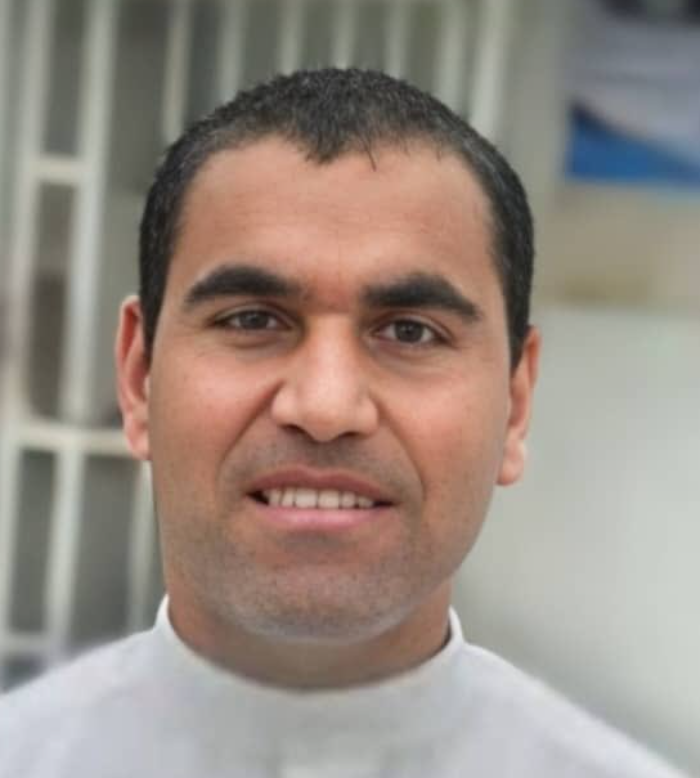
-
-
<coverage-outsourcing id='15441'>
A letter attributed to Mohammad Ali Abtahi, secretary of the president of the time, has been published. The letter emphasized on changing the demographic structure of the Khuzestan Arabs, encouraging non-natives to move to this area, and reduction of Khuzestan's Arab population to one-third of the province's total population. The Government spokesman and Mr. Abtahi denied the letter later
</coverage-outsourcing>
-
<coverage-outsourcing id='15442'>
Coordination Committee of Public Protests in Ahvaz consisting of various political groups including the Ahwaz Arab National Democratic Movement, the Vefagh Party, civil and cultural institutions such as the Amajad Institute, al-Shorouq and independent Arab civil activists issued their first statement. The committee pointed out the policies of the government in confiscating the land of Arab farmers with different ideas such as sugar cane development, increasing marginalization, political efforts to eradicate Arab identity and dispersion of Khuzestan Arabs in a call for a demonstration. Later, many Arab activists mentioned that the protests focused on what was actually happening in Khuzestan, regardless of the authenticity of the letter attributed to Mohammad Ali Abtahi
</coverage-outsourcing>
-
<coverage-outsourcing id='15443'>
The first demonstration to protest ethnic discrimination in Ahwaz began with the Alavi Kooy and spread to other cities such as Mahshahr and Hamidiyeh. Ahwaz Human Rights Organization published gatherings, neighborhoods in which clashes occurred, and violence by government forces in a statement
</coverage-outsourcing>
-
<coverage-outsourcing id='15444'>
According to Isna, the Iranian Defense Minister declared Three or four people were killed in protests. According to The Boroumand Foundation reports, local civil activists have reported the death toll has been between 50 and 60 people and local sources have reported 1,200 arrests. Amnesty International reported 29 people, Human Rights Watch 50 and Ahwaz Human Rights 160. Dozens were also injured. A few weeks later, IRNA reported for the General Prosecutor's Office and the Revolutionary Court of Ahvaz announcement about arresting and filing of 447 cases
</coverage-outsourcing>
-
<coverage-outsourcing id='2850'>
He was arrested. He was charged with "Assembly and collusion against national security" , "Enmity against God" and "Corruption on Earth" and sentence to life in Karoun Prison by Branch 1 of Ahvaz's Revolutionary Court
</coverage-outsourcing>
-
<coverage-outsourcing id='15445'>
According to ISNA, Mahmoud Ahmadinejad has spoken about clear tracks of Iraqi occupiers in Khuzestan incidents. Speeches of this kind at the time were denied and expressed concern by the British Government
</coverage-outsourcing>
-
-
<coverage-outsourcing id='15403'>
"The group that was arrested for making bombs or bombing in Ahwaz Oil Pipes has nothing to do with the explosions, they have not killed anyone, and the government is their only complaint. Nine of them have been sentenced to death by the names of Abdol Zahra Halichi, Yahya Naseri, Risan Savari, Abdolemam Zaeri, Jafar Savari, Mohammad Ali Savari, Hamzeh Savari, Nazem Barihi, and Zamel Bavi. ", Emadeddin Baghi noted in a letter to the Head of Judiciary and the Minister of Intelligence. The letter states that having a weapon without threatening anyone is not an example of moharebeh (enmity against God, which is subject to the death penalty in Iranian law). As a result, all of these people are excluded from the charge, but some can be sentenced to a relevant punishment for keeping illegal weapons. They were tried in other cities without consulting a lawyer and confessed under pressure, after 10 or 11 months of solitary detention. He noted that one of the detainees was arrested two months before the bombing.I received letters with the prisoner's handwriting, finger marked by the prisoner and sealed by the prison, they wrote that what they confessed was under pressure, The lawyers did not see their clients until the day of the trial and demanded authentication to make sure their client is the same person at the court hearing
</coverage-outsourcing>
-
<coverage-outsourcing id='15400'>
The 1019 issue of Economics Daily newspaper quoted Mr. Zaeri as the Justice administrator of Khuzestan Province and wrote: “The sentences have been confirmed by the Third Branch of Ahvaz Revolutionary Court”. According to the report, Death sentences issued for Mohammad Ali Savari, Yahya Naseri, Nazem Barihi, Abdolemam Zaeri, and Abdol Zahra Halichi. Ali Halafi sentenced to 30 years in prison in Gonabad and acquittal has been issued for Hamze Savari (he was sentenced to death and then sentenced to prison)
</coverage-outsourcing>
-
<coverage-outsourcing id='15446'>
According to Ilna, Seventh Branch of Ahvaz Public Prosecutor's Office summoned the lawyers for alleged disruption of National Security due to publishing the protests of seven lawyers of Ahwaz bombings defendants
</coverage-outsourcing>
-
<coverage-outsourcing id='15447'>
Ilna reported about what the accused family called pressure to take confessions from recent Ahwaz bombing prisoners, during the family's meeting with the Association chief for the Defense of Prisoners' Rights
</coverage-outsourcing>
-
<coverage-outsourcing id='15448'>
United Nations General Assembly strongly expresses its concern over the widespread human rights abuses in Iran, torturing and hanging people (death sentence), and especially discrimination against religious and ethnic minorities by issuing a resolution
</coverage-outsourcing>
-
<coverage-outsourcing id='15449'>
The three UN special rapporteurs complained upon the secret and unfair trials and trial of accused lawyers on charges of disturbing national security, in a mutual statement. They stated that the court is mocking the requirements of the case review process
</coverage-outsourcing>
-
<coverage-outsourcing id='15440'>
According to a report of Human Rights Watch, the Iranian judiciary sentenced Zamel Bavi, Avedeh Afravi, Nazem Barihi, Alireza Salman Delfi, Ali Halafi, Jafar Savari, Abdolreza Sanavati, Mohammad Ali Savari, Moslem Alhaei, Abdolreza Navaseri, Yahya Naseri, Abdolreza Halichi and Abdolemam Zaeri to death after a one-day trial.
</coverage-outsourcing>
-
<coverage-outsourcing id='15451'>
Emadeddin Baghi, the Association chief for the Defense of Prisoners' Rights, was sentenced to three years of imprisonment by Branch 6 of the Revolutionary Court in Tehran, presided over by Judge Babaei. One of the charges against him was his activities in supporting the rights of those accused of the Ahwaz bombings
</coverage-outsourcing>
-
<coverage-outsourcing id='15676'>
Amnesty International expressed their concerns that the defendant and five other Arab citizens of Iran might be executed in the near future
</coverage-outsourcing>
-
<coverage-outsourcing id='15452'>
Oudeh Afravi, who was arrested in connection with the case of Ahvaz protests describes a cell about 4 m in Ahvaz Intelligence Ministry Prison, in an interview with the Boroumand Foundation. He was not taken to the bathroom in the first weeks, and the guards were barely allowed him to use WC and ablution. After a month he had a one-minute conversation in Farsi (Persian language) with his family and after three months he was able to see them for three minutes. He was beaten by several interrogators at the same time. “In the first week, they beat me so hard that I couldn't even get up to go to the toilet. my ribs were broken, my whole body was bruised, my face was swollen , my vision was affected, and my teeth were cracked.” , he said
</coverage-outsourcing>
-
<coverage-outsourcing id='15453'>
In an interview with Boroumand Foundation, Oudeh Afravi talked about Ali Afravi, the person who was arrested in Ahvaz protests and tried by the court: After Ali's arrest, despite the family's efforts, they couldn't get any news from him.They did not know where he was, they had no phone calls and no prison visits. Until the night before his execution, his confessions and the court sentence published on TV, and the next day, he was publicly executed in March 2006. The body did not hand over to the family after the execution, and they buried him in a far-flung place called Brumi outside Ahvaz. The family was able to find the burial place by inquiry of the funeral home and the staff working there
</coverage-outsourcing>
-
<coverage-outsourcing id='4789'>
It was reported that he is incarcerated in Karoun Prison in Ahvaz
</coverage-outsourcing>
-
<coverage-outsourcing id='5179'>
It was reported that all the political prisoners incarcerated in Karoun Prison in Ahvaz were transferred to Sheiban Prison
</coverage-outsourcing>
-
<coverage-outsourcing id='28335'>
An informed source told IPA that he is still incarcerated in Sheyban prison
</coverage-outsourcing>
-
-
-
-
-
-
-