Jafar Eghdami
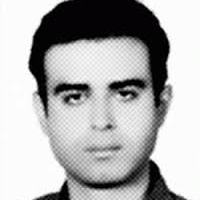
-
-
<coverage-outsourcing id='871'>
Arrested during Tehran University dormitory disturbances and detained in the basement of the Central Gendarmerie (Al Ghadir). Released on bail.
</coverage-outsourcing>
-
<coverage-outsourcing id='8993'>
Arrested again by the Intelligence Ministry and sentenced to six years in prison due to his political activities. He spent 7 months in solitary confinement and 23 months in Ward 209 of Evin Prison. The rest of his sentence was served in Rajaee Shahr Prison in Karaj
</coverage-outsourcing>
-
<coverage-outsourcing id='18658'>
Jafar Eghdami, who was exiled to Rajaei Shahr in 2003, wrote in a letter, “in the 42 months that I spent in Rajaei Shahr prison, ten prisoners were killed in conflicts, the younger prisoners were raped, and many of the prisoner under 20 years of age became servants to older prisoner performing their personal tasks. The number of prisoners was so high that they were forced to sleep sideways next to each other, I slept for about four months in the corridor rather than the room.” The complete text of this letter can be found in the evidence section of this page
</coverage-outsourcing>
-
<coverage-outsourcing id='873'>
Released from Rajaee Shahr prison after serving six years.
</coverage-outsourcing>
-
<coverage-outsourcing id='23243'>
He was arrested at Khavaran Cemetery after taking part in the anniversary of the massacre of political prisoners in the summer of 1988
</coverage-outsourcing>
-
<coverage-outsourcing id='7075'>
He published an account of his ordeals in Ward 7 of Evin Prison
</coverage-outsourcing>
-
<coverage-outsourcing id='875'>
Trial held at Branch 22 of the Revolutionary Court presided by Judge Kakavand was adjourned and moved to another date when the defense lawyer objected to the absence of the prosecutor.
</coverage-outsourcing>
-
<coverage-outsourcing id='11519'>
According to a text from Jafar Eghdami, during the second court hearing headed by judge Kakavand, the judge got very angry in the middle of his lawyer, Ms. Rouhani’s defense and threatened to arrest her as well. The judge and his secretary forced me to get a court appointed lawyer
</coverage-outsourcing>
-
<coverage-outsourcing id='876'>
Judge Kakavand of Branch 22 of the Revolutionary Court sentenced him to five years in prison.
</coverage-outsourcing>
-
<coverage-outsourcing id='877'>
After objecting to the verdict issued by Branch 22 of the Revolutionary Court, Jafar Eghdami's case was referred to Branch 28 of the Revolutionary Court where judge Moghiseh increased his sentence to 10 years in prison. According to Jafar Eghdami's writings, in response to the defense statement made by Mrs. Housheh the defense attorney, judge Moghiseh stated:
> I say he is Mohareb, and will sentence him based on that. Take your arguments and reasonings to the appeal court." Jafar Eghdami emphasizes that "the trial session lasted only 7 minutes and during the session, Mr. Moghiseh insulted me several times
</coverage-outsourcing>
-
<coverage-outsourcing id='7076'>
He was released on furlough for seven days
</coverage-outsourcing>
-
<coverage-outsourcing id='11739'>
He wrote a note describing and criticizing the harm that is brought upon political prisoner’s families at the hands of judicial and security authorities. He called it double punishment. He later published other texts, including a letter addressed to President Hassan Rouhani.
</coverage-outsourcing>
-
<coverage-outsourcing id='11520'>
HRANA reports, in protest to the refusal of his appeal for retrial, and leave, as well as the mistreatment of his family, he refused to meet his family on the normal visiting day
</coverage-outsourcing>
-
<coverage-outsourcing id='11717'>
He and 13 other prisoners of Rajayi Shahr Prison wrote a letter in support of Saeed Shirzad's demands and invited the prison authorities and the Judiciary to respect the prisoners' "natural rights". The letter is documented in Saeed Shirzad's page
</coverage-outsourcing>
-
<coverage-outsourcing id='12029'>
In a letter to Asma Jahangir, he and 19 other prisoners of Rajayi Shahr expressed their concerns about Saeed Shirzad's conditions. The letter is documented in the Supporting Evidence section of Saeed Shirzad's page
</coverage-outsourcing>
-
<coverage-outsourcing id='13148'>
Jafar Eghdami wrote a letter that was published by The Kurdistan Human Rights Network, regarding the death from cancer of sister Loghman Moradi. The court had refused her request to see her brother
</coverage-outsourcing>
-
<coverage-outsourcing id='14126'>
According to HRANA, Jafar Eghdami went on hunger strike, in protest of the mistreatment of children by prison forces during family visits. The International Campaign for Human Rights published a report claiming that on the last family visit, his three year old niece had been searched in such a way, that the child is now afraid to visit. The prison authorities have denied the child permission to see her uncle in an act deliberate contempt for his complaint
</coverage-outsourcing>
-
<coverage-outsourcing id='15829'>
According to HRANA was allowed temporary leave
</coverage-outsourcing>
-
-
<coverage-outsourcing id='19458'>
After the collective transfer of the political and ideological/religious prisoners of Rajaei Shahr prison to a new ward, a number of them began a hunger strike.This widespread hunger strike led to the prison guards and staff’s mistreatment of prisoners’ families, threatening of prisoners, putting prisoners in solitary confinement and withholding medical treatment and medicines. The collective protest was met with the media reaction of the judiciary, and the support of human rights organizations and some of the civil and political activists. Because some of the prisoner terminated their strike sooner and some of them were, also, transferred to solitary cells, the list of names changed during the period of the hunger strike, but in general, the names of prisoners who partook in the hunger strike, whose names have been confirmed by verified lists, are as follows: Majid Asadi, Jafar Eghdami, Saeed Shirzad, Saeed Masouri, Shahin Zoghitabar, Reza Akbari Monfared, Abolghasem Fouladvand, Hasan Sadeghi, Reza Shahabi, Mohammad Nazari, Payam Shakiba, Mohammad Banazadeh Amirkhizi, Mohammal Ali Mansouri, Ebrahim Firouzi, Amir Ghaziani, Vahid Sayad Nasiri, Hamid Babaei, Zanyar Moradi, Loghman Moradi, Houshang Rezaei and Saeed Pourheydar. Among them Saeed Shirzad, Reza Shahabi, and Mohammad Nazari’s hunger strike lasted longer than 50 days.The last two, had continued their hunger strike in protest to the situation of their own cases
</coverage-outsourcing>
-
<coverage-outsourcing id='18290'>
An informed source told Iran Prison Atlas that after the political prisoners were transferred from Hall 14 Ward 4 to Hall 10 of the same ward and they refused to eat in response, some continued their hunger strike: Saeed Masouri, Jafar Eghdami, Abolghassem Fouladvand, Reza Akbari Monfared, Hassan Sadeghi Khoramdashti and Amir Ghaziyani where transferred to solitary cells, and in the ward’s hall, some prisoners on strike, as well, including, Mohammad Banazadeh Amirkhizi and Mohammad Ali Mansouri
</coverage-outsourcing>
-
<coverage-outsourcing id='18732'>
Shahin Eghdami, described the changes that took place after the political prisoners ward changed at Rajaei Shahr prison. This letter, published by HRANA, can be found in the evidence section of this page
</coverage-outsourcing>
-
<coverage-outsourcing id='18508'>
According to Iran Prison Atlas, the prisoners who had been transferred to solitary cells, were returned to the ward in the past several days, without having signed an end-of-hunger-strike form. According to an informed source, around 15 prisoners are on hunger strike and Jafar Eghdami, Saeed Mansouri and Mohammad Banazadeh Amirkhizi are those among them who’ve been suffering from faintness
</coverage-outsourcing>
-
-
<coverage-outsourcing id='20421'>
HRANA in its reports, wrote of the developments after the transfer of political prisoners to the 10th hall of ward 10 and that Mostafa Mohebbi (head of the Tehran prisons organization), Mohammad Mardani (the head of the prison), Mostafa Ziaei (current prison director), Kohandani (supervisor judge of the prison) And Sigaroudi (prison’s judicial deputy) have been involved in various transitions and subsequent catastrophes. According to current and former chiefs, restrictions have been imposed with Mostafa Mohebbi's orders and supervision. According to the report, most of the political prisoners’ belongings were not returned to them, and some of them were sold in other prisons; heating facilities, ventilation and hot water do not work properly, and prisoners have to heat the kettle for bathing. The prison authorities detached the Baha'i prisoners from the others and isolated them in the hall of the hall 11. On the orders of Mohammad Mardani and in collaboration with Mr. Kohandani and Mr. Sigaroudi, cases have been opened for Saeed Massouri, Reza Akbarimonfard, Saeed Shirzad, Hassan Sadeghi, Amir Ghaziani, Jafar Eghdami, Abolghasem Fouladvand and Ebrahim Firoozi, eight prisoners who were transferred to the solitary confinement during their hunger strike, with allegations of "insulting the leadership, shouting slogans against officials and disturbing the prison’s order." Shortly afterwards, Saeed Pourheidar, Saeed Shirzad, Amir Ghaziani and Ebrahim Firoozi were also accused of "destroying public property". Access to the store and open space is also limited, prisoners are abused and mistreated by the prison authorities when getting transferred to the hospital or court, and that the political prisoners do not have access to newspaper and there is only one TV in the hall
</coverage-outsourcing>
-
-